About Constrc



Low-e Glass
Description
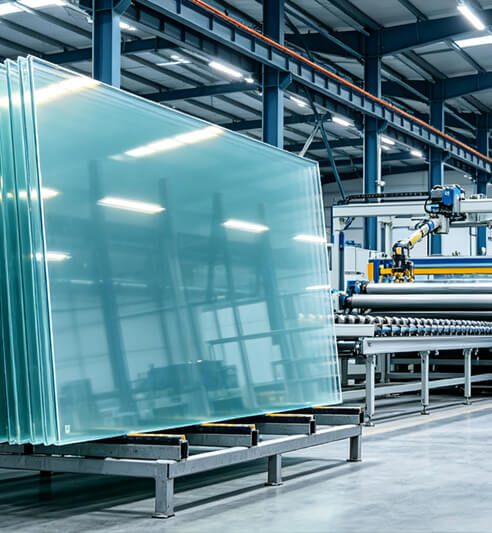
Low E glass is produced in two ways: on-line (pyrolytic hard-coat) and off-line (sputtered soft-coat).Off-line Low E relies on ultra-thin silver layers that strongly reflect near- and mid-IR solar energy. Counting the silver stacks gives single-silver, double-silver, and triple-silver grades.
According to whether the coating survives a toughening furnace, we further classify it as temperable or non-temperable Low E.
Thanks to flexible stack design, Off-line Low E glass can be produced in a wide range of colors-high-transmission neutrals, blues, greens, grays, or golds-while the glass itself remains transparent.
With its inherently low emissivity and silver-based stacks, Low E is almost always fabricated into insulating glass units. The resulting IGU multiplies the thermal barrier, keeping curtain walls and windows warmer in winter and cooler in summer.
packing & Delivery
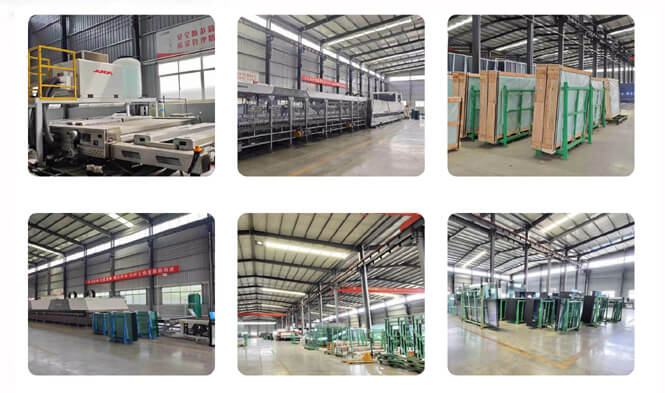
Product packaging

We have cooperated with experienced shipping forwarders for many years, they arrange the shipment. No matter by express, by air or by sea, we will track the course of the goods all the way, to make sure goods arrive at you on time and in good condition.


RTL Version
- RTL Version
- LTR Version






Send A Message
We'd love to hear from you if you have any questions!
Related Products
Low-e Glass